
Create Outdoor Spaces Built to Handle Daily Use
Oasis Scapes installs paver patios and walkways in Chatham, New Jersey designed for long-term stability and seamless transitions between outdoor living areas
Oasis Scapes installs paver patios and walkways for homeowners in Chatham, New Jersey who need durable surfaces that connect the house to the yard, expand usable space for furniture and grills, or replace cracked concrete that has settled unevenly. You may want a defined area for a dining set that does not sink into the grass, or a walkway that stays level through freeze-thaw cycles without heaving or cracking.
Patios and walkways are built with a compacted stone base that prevents settling, followed by a sand leveling layer and pavers set in your chosen pattern. Edges are restrained to keep pavers from shifting outward over time. The base depth and compaction process determine whether the surface stays flat after years of use and seasonal ground movement. Options include traditional rectangular pavers, tumbled styles that mimic old stone, or larger format slabs for a modern look.
If you are planning an outdoor space or replacing a surface that has failed, a site visit can review layout ideas and material samples suited to your home and yard.
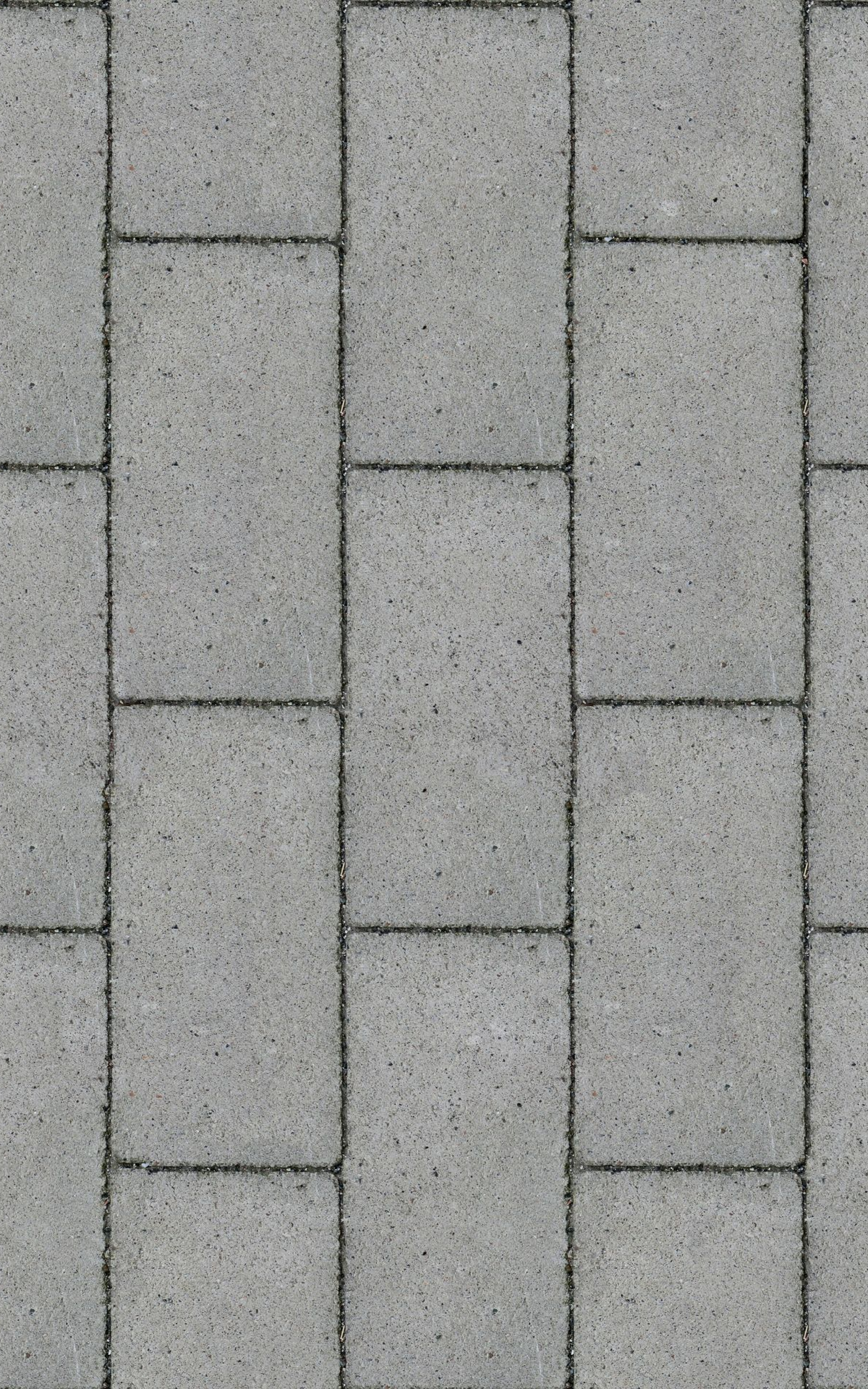
How Patios Are Installed and What You Notice Afterward
Installation begins with excavation to the required depth, typically eight to ten inches depending on soil type and intended use. A base of crushed stone is spread in layers and compacted with a plate compactor to create a firm, stable platform. A layer of coarse sand is screeded level, and pavers are laid tight to one another in the planned pattern. Polymeric sand is swept into the joints and activated with water to lock pavers in place.
After completion, the patio provides a flat, stable surface that supports furniture, foot traffic, and grills without sinking or wobbling. Water drains through the joints instead of pooling on the surface, and the pavers remain level through seasonal freeze and thaw. Oasis Scapes ensures that transitions between patios, steps, and plantings are smooth, with edges that look deliberate rather than abrupt.
Some projects include steps that tie the patio to a different grade level, curved edges that follow landscape beds, or borders in contrasting colors. Proper base preparation applies to all paver work regardless of pattern or material. Skipping compaction or cutting corners on base depth leads to settlement, which shows up as dips or separated joints within the first year.
Questions About Paver Installation and Performance
Homeowners often ask about the difference between pavers and poured concrete, how joints are filled, and what maintenance looks like over time.
What makes pavers more stable than concrete slabs?
Pavers flex independently, so minor ground movement does not cause cracking. If one paver settles, it can be lifted and releveled without replacing the entire surface.
How is the edge of a patio kept from spreading?
A rigid edge restraint, typically plastic or aluminum, is spiked into the compacted base along the perimeter. This keeps pavers tight and prevents the border from creeping outward.
Why is polymeric sand used instead of regular sand?
Polymeric sand contains additives that harden when wet, locking pavers together and resisting washout. This reduces weed growth and keeps joints stable.
When should a patio be sealed?
Sealing is optional and depends on the paver type and desired appearance. It can resist stains and intensify color, but it requires reapplication every few years.
How do paver patios perform through Chatham winters?
When installed with proper base compaction and drainage, pavers handle freeze-thaw cycles without cracking. Snow removal is straightforward, and salt does not damage the surface as it can with concrete.
If you are ready to expand your outdoor living area or replace an old concrete pad, scheduling a consultation will clarify layout options, material choices, and how the new surface integrates with existing landscape features.