
Design Planting Beds That Work With Your Property
Oasis Scapes creates custom garden designs in Chatham, New Jersey that account for sun exposure, drainage, and long-term plant performance
Oasis Scapes designs and installs gardens for homeowners in Chatham, New Jersey who want plantings that suit their property size, light conditions, and maintenance preferences. You may have beds that receive only morning sun, areas where water lingers after rain, or spots where previous plantings failed because they were not suited to the conditions. A custom garden layout addresses these variables before plants go in the ground.
Design work begins with evaluating soil type, drainage patterns, and how much sun each area receives throughout the day. Plant selection includes shrubs, perennials, ornamental trees, and seasonal color arranged in layers for year-round visual interest. Beds are shaped and prepared with defined edges, amended soil, and mulch that supports root health and moisture retention. The goal is a garden that establishes quickly, requires manageable upkeep, and looks intentional from the start.
If you are starting a new garden or reworking beds that never performed well, an on-site consultation can review design goals and what plants will thrive in your specific conditions.
How Gardens Are Installed and What You See Afterward
Installation starts with bed preparation, which includes removing weeds or old plantings, loosening compacted soil, and adding compost or other amendments. Edges are cut cleanly to separate beds from lawn or hardscape. Plants are arranged on site before planting to confirm spacing and visual balance, then installed at the correct depth with backfill that eliminates air pockets.
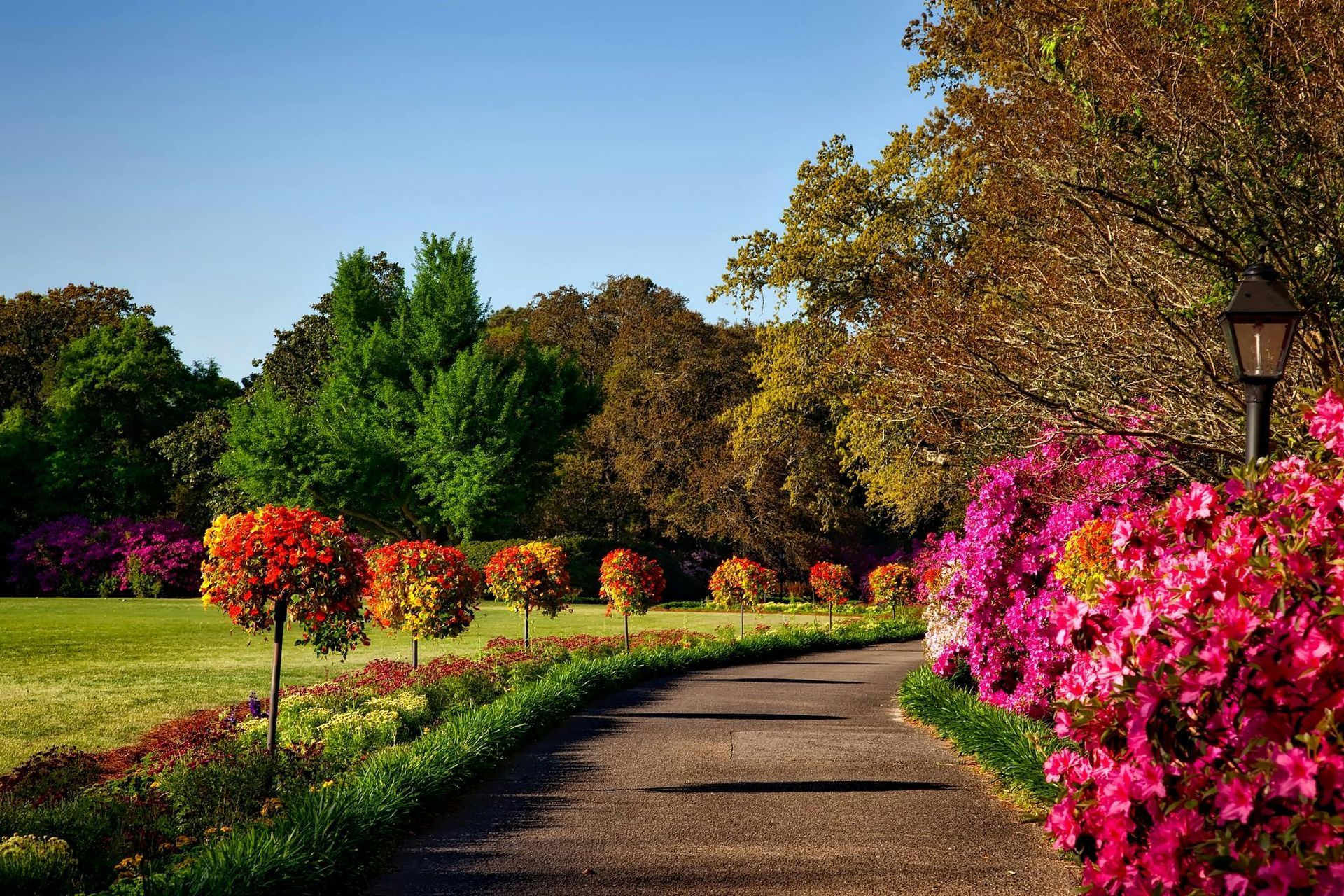
After the garden is complete, you will see plants sized appropriately for their space, arranged so taller specimens do not block shorter ones, and grouped by water and light needs. Mulch provides a clean, finished look while regulating soil temperature and moisture. Oasis Scapes ensures that plant choices align with New Jersey growing conditions, so the garden develops as intended without excessive intervention.
Some gardens focus on low-maintenance native plants that attract pollinators, while others include a mix of ornamental shrubs and perennials for color and texture. Seasonal plantings can be rotated in beds designed with annuals in mind. The design process clarifies what level of care you are comfortable with, so the garden fits your routine rather than demanding constant attention.
Common Questions About Garden Design and Planting
Homeowners often ask about plant selection, soil preparation, timing, and how to plan for growth over time.
What determines which plants are chosen for a garden?
Light exposure, soil drainage, mature plant size, and your preferences for color and texture all guide plant selection. Native and adaptive species are prioritized when low maintenance is a goal.
How is soil amended before planting?
Compost is mixed into the top several inches of soil to improve structure and fertility. In areas with heavy clay or poor drainage, additional topsoil or sand may be incorporated.
Why is spacing important when plants look small at installation?
Plants are spaced based on mature size, not current size. Crowding leads to competition for light and water, which weakens plants and creates maintenance problems.
When is the best time to install a new garden in Chatham?
Spring and fall are ideal because moderate temperatures and regular rainfall help plants establish. Summer installation requires more frequent watering during the first few weeks.
How long does it take for a new garden to look full?
Perennials and shrubs typically reach mature size within two to three growing seasons. Faster-growing species fill in sooner, while trees and larger shrubs take longer to develop their intended canopy.
If you are ready to plan a garden that fits your property and lifestyle, scheduling a consultation will clarify design options, plant choices, and what installation involves from start to finish.